

In metal processing and recycling, efficient, cost-effective machinery is essential for profitability. Hydraulic gantry shears, designed to cut scrap metal and large structures with precision and speed, offer significant advantages over traditional tools, including faster processing, energy efficiency, and lower labor costs. However, purchasing these devices necessitates carefully weighing the upfront and continuing costs.
What Are Hydraulic Gantry Shears?
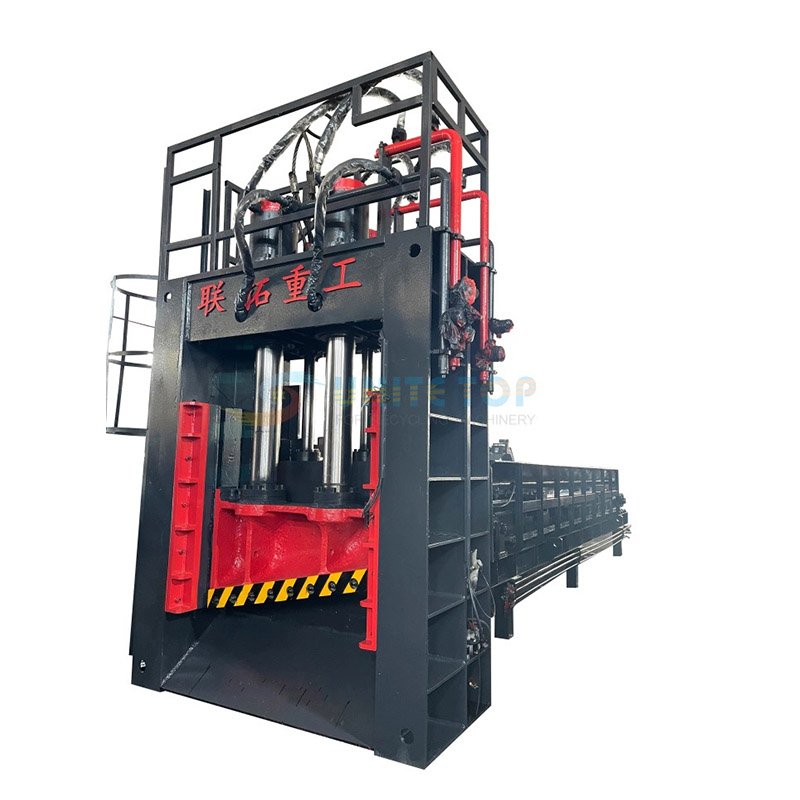
A hydraulic gantry shear is a machine that uses hydraulic force to shear metal, making it a critical tool in scrap metal processing plants and recycling operations. These machines work by applying tremendous pressure through hydraulic cylinders to a cutting blade, which then shears through metals and other tough materials. Hydraulic gantry shears are usually designed in a modular fashion, which allows them to be tailored to individual plant needs.
They are often used for cutting large metal pieces such as industrial scrap, oversized containers, steel beams, and more. These machines offer precise cuts, higher speed, and can handle a variety of materials without excessive wear or maintenance.
Types of Hydraulic Gantry Shears
Hydraulic gantry shears come in various configurations based on the application:
- Fixed Gantry Shears: These are stationary and typically used for high-capacity cutting operations in large plants. They are best suited for processing heavy scrap material in bulk.
- Mobile Gantry Shears: These units are mounted on wheels or tracks, providing flexibility for handling materials on-site and in various locations within a plant.
- High-Capacity Gantry Shears: Designed for large-scale operations, these shears are used to cut very thick or large scrap materials and are often customized with additional features like automatic feeding and ejection systems.
Initial Investment: The Cost of Purchasing Hydraulic Gantry Shears
Cost Breakdown
The initial cost of purchasing a hydraulic gantry shear depends on various factors, such as capacity, size, and additional features. Below is a breakdown of costs based on the type of shear:
| Type of Shear | Cost Range | Key Features |
| Fixed Gantry Shear | $150,000 – $700,000 | High capacity, stationary, used for large-scale operations |
| Mobile Gantry Shear | $100,000 – $500,000 | Flexible, can be moved on-site, used for diverse applications |
| High-Capacity Gantry Shear | $500,000 – $2,000,000+ | Handles large and thick metal pieces, ideal for industrial use |
Factors Influencing Price
The final cost of hydraulic gantry shears is influenced by a number of factors:
- Shredder Capacity: Larger capacity shears designed to cut more material in less time will naturally be more expensive. A shear built for lesser projects will be far less expensive than one that can carry 30 tons per hour.
- Material Compatibility: The shear needs to work with the kinds of scrap that you handle. A shear that can handle mixed metal scrap, including aluminum, steel, and copper, may be more expensive than one designed for a single material type.
- Automation and Technology: Advanced features, such as automated feeding systems, remote operation capabilities, or energy-saving technology, can increase the cost of the shear. These features, however, may significantly enhance operational efficiency.
Operational Costs
Energy Efficiency
One of the key benefits of hydraulic gantry shears is their energy efficiency compared to other types of shears. Hydraulic systems, when properly maintained, consume less energy while providing consistent and high-power output.
- Average Energy Consumption: The energy consumption of hydraulic gantry shears typically ranges between 50 kW and 300 kW per hour, depending on the shear’s capacity.
- Estimated Electricity Costs: If the shear operates for 12 hours a day, the monthly electricity cost could be between $2,000 – $10,000, depending on the local cost of electricity and the shear’s energy consumption.
The energy efficiency of hydraulic gantry shears not only reduces operational costs but also lowers the carbon footprint, making them a sustainable choice for metal processing plants.
Labor Costs
Labor savings are one of the primary reasons why businesses invest in hydraulic gantry shears. By automating the cutting process, these devices lessen the requirement for manual labor.
| Labor Category | Monthly Cost |
| Machine Operators | $3,000 – $6,000 |
| Maintenance Technicians | $2,500 – $5,000 |
| Supervisors/Managers | $5,000 – $10,000 |
By automating the cutting process, hydraulic gantry shears enable plants to reduce the number of laborers needed on the floor, thus lowering overall payroll costs.
Maintenance and Repairs
Although hydraulic gantry shears are built to last, they still require routine maintenance to ensure smooth operation. Hydraulic fluid levels should be checked, cutting blades should be inspected, moving parts should be lubricated, and worn-out parts like hoses and seals should be replaced.
- Routine Maintenance: $2,000 – $10,000 annually, depending on usage and shear capacity.
- Replacement Parts: Major components like hydraulic cylinders or cutting blades may need replacement after a certain period of usage, which can add additional costs.
Raw Material Input
The type of raw materials used in processing affects the operational costs as well. For instance, higher-quality metals often require more sophisticated shredding machinery and additional preprocessing, leading to higher energy consumption and longer processing times.
Productivity and Efficiency Gains
One of the key advantages of hydraulic gantry shears is their ability to dramatically increase productivity and efficiency in metal processing plants.
Speed and Throughput
The amount of time needed to treat huge amounts of scrap material is greatly reduced by hydraulic gantry shears. With fast cutting capabilities, they ensure that materials are processed quickly and efficiently, allowing plants to handle larger volumes of scrap in shorter periods.
- Throughput: A hydraulic gantry shear can process anywhere from 10 to 50 tons per hour, depending on the model and configuration.
Consistency and Precision
Precision is crucial in scrap metal processing. Hydraulic gantry shears provide consistent cuts, ensuring that material quality remains high while minimizing waste. Unlike manual or mechanical systems, these shears can handle various scrap metal types without compromising on cutting quality.
- Reduced Waste: The precision cuts result in less scrap and more usable material, reducing the overall waste produced by the plant.
Reduced Downtime
With little downtime for upkeep and repairs, hydraulic gantry shears are made to be extremely dependable. Regular preventive maintenance schedules help avoid unexpected breakdowns, allowing operations to run smoothly and consistently.
Return on Investment (ROI)
Businesses must balance the initial expenditure against the long-term advantages and savings when evaluating the cost-effectiveness of a hydraulic gantry shear.
Short-Term vs. Long-Term ROI
Although a hydraulic gantry shear may seem expensive at first, the long-term savings are tremendous. With reduced labor costs, energy consumption, and improved throughput, businesses can recoup their investment quickly.
- ROI Timeline: Depending on the plant’s volume of operations, businesses typically see a return on investment within 1 to 3 years of purchasing a hydraulic gantry shear.
Cost Savings from Increased Efficiency
The primary driver for ROI with hydraulic gantry shears is the improved efficiency they offer. By automating the cutting process, these devices lessen the requirement for manual labor.
| Benefit | Estimated Savings |
| Energy Savings | 10% – 20% reduction in energy costs |
| Labor Savings | 30% to 50% decrease in labor expenses |
| Reduced Material Waste | 5% – 10% savings on raw materials |
Revenue Generation
Businesses can boost their earning potential by processing more scrap material in less time. With hydraulic gantry shears, plants can cut larger volumes of scrap, sell higher-quality processed metal, and meet customer demands more efficiently.
Environmental Benefits and Cost Savings
In addition to financial benefits, hydraulic gantry shears also offer significant environmental advantages. By increasing material recovery rates and reducing waste, these machines contribute to the overall sustainability of the metal recycling process.
Reduced Material Waste
By making precise cuts and reducing scrap, hydraulic gantry shears contribute to the reduction of material waste. This leads to a higher yield of reusable material, which is more environmentally friendly.
Energy Savings
As hydraulic gantry shears are designed with energy efficiency in mind, they consume less power than traditional shearing systems, leading to lower energy consumption and reduced environmental impact.
Sustainability Certifications
For companies aiming for sustainability certifications, investing in energy-efficient equipment like hydraulic gantry shears can contribute to meeting the criteria for eco-certifications such as ISO 14001.
Case Studies
Case Study 1: Large-Scale Metal Recycling Facility
A large metal recycling plant invested in a high-capacity hydraulic gantry shear to handle the increasing volume of scrap metal. The investment resulted in:
- Reduced Labor Costs: The plant saved $500,000 annually in labor costs due to automation.
- Increased Throughput: The shear’s capacity increase led to a 25% boost in processed scrap material.
- Energy Savings: The shear’s energy-efficient design saved the plant $100,000 in electricity costs each year.
Case Study 2: E-Waste Recycling Company
An e-waste recycling company replaced its old mechanical shearing system with a hydraulic gantry shear. The upgrade led to:
- Higher Precision: The company improved the quality of processed materials, leading to a 15% increase in revenue from selling processed metals.
- Decreased Maintenance Costs: The hydraulic shear reduced unplanned downtime by 30%, lowering overall maintenance costs by 20%.


