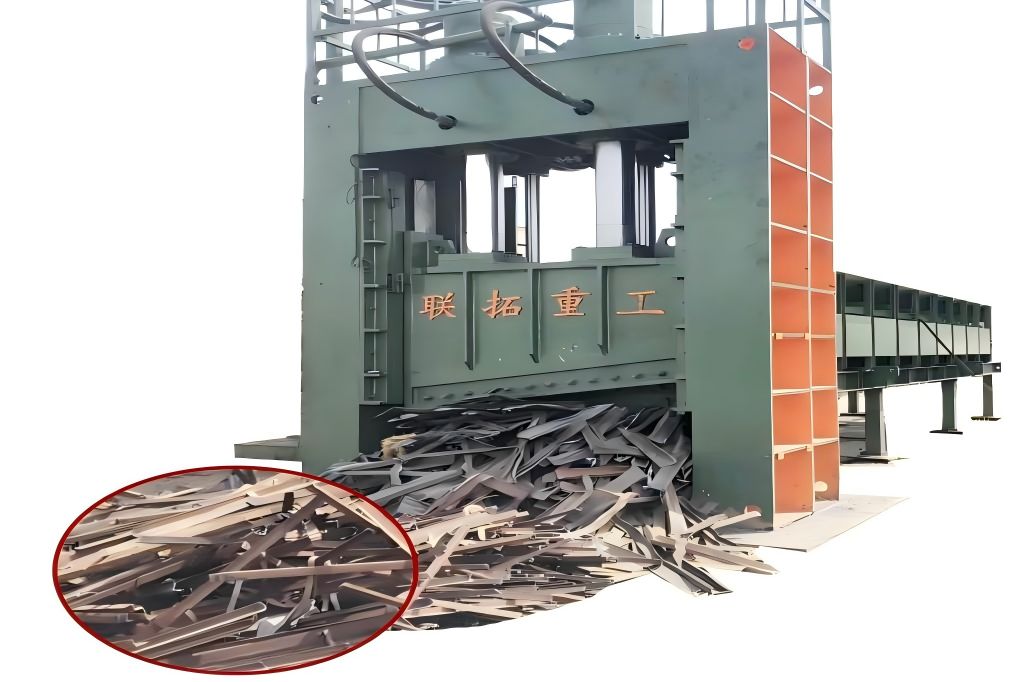

Investing in a scrap shredder line is an essential decision for any business involved in recycling, waste management, or manufacturing. Whether you’re processing metal, plastic, or electronic waste, a shredder line helps streamline operations, improve material handling, and increase the efficiency of recycling efforts.
However, as with any large-scale industrial equipment, understanding the costs involved is crucial for businesses to make informed decisions that align with both their budget and operational needs.
Initial Purchase Costs
Types of Scrap Shredder Lines
The first cost consideration is the type of scrap shredder line you require. Shredder lines vary widely based on the materials they process and their operational scale. Common types of shredder lines include:
Horizontal Shredder Lines
- Ideal for processing large, heavy scrap materials, such as metals and bulky waste.
- Typically feature horizontal feeding conveyors, which allow easier material loading and higher throughput.
- Cost Estimate: $100,000 – $500,000, depending on size and features.
Vertical Shredder Lines
- Best suited for smaller operations or specialized materials such as plastics, wood, and electronics.
- Vertical lines are more compact but may require additional space for efficient material handling.
- Cost Estimate: $50,000 – $300,000.
Industrial Shredder Lines
- These are the largest and most robust shredder systems designed for heavy-duty processing. Perfect for industrial or large-scale recycling facilities.
- Cost Estimate: $500,000 – $2,000,000+.
Factors Affecting Purchase Price
Several factors affect the overall purchase price of a scrap shredder line:
| Factor | Description | Impact on Cost |
| Shredder Capacity | Higher capacity machines (e.g., 50 tons/hour) tend to cost more. | Significant increase in price for higher capacity. |
| Material Type Compatibility | Shredders designed to process tougher or specialized materials like metal alloys or e-waste often cost more. | Specialty shredders are more expensive. |
| Technology | Automated and high-tech shredders with integrated sensors, automation, and AI capabilities. | Automation features increase cost. |
| Customization | Customization for unique feedstock or operational requirements. | Custom design may add 10%-30% to cost. |
Average Price Range
To help visualize the different pricing structures:
| Type of Shredder Line | Average Price Range |
| Horizontal Shredder Line | $100,000 – $500,000 |
| Vertical Shredder Line | $50,000 – $300,000 |
| Industrial Shredder Line | $500,000 – $2,000,000+ |
These are rough estimates, and the final cost will depend on the specific needs of your business.
Installation and Setup Costs
Once you’ve selected the right shredder line for your business, there are installation and setup costs to consider. Although they are frequently disregarded, they can significantly increase the total investment.
Site Preparation
Before installation begins, your facility may require modifications to accommodate the shredder line. This could include:
- Space Requirements: Larger shredder lines need more space for equipment and material handling. To support the weight of the machines, you might also need to reinforce the flooring.
- Power and Utilities: The shredder line will need a reliable and adequate power supply, often requiring upgrades to existing electrical infrastructure.
Transport and Delivery Fees
Delivery and transportation can be expensive for huge equipment. Shipping fees depend on the distance, size, and weight of the equipment. You may also incur customs fees if importing equipment from abroad.
- Average Transport Costs: $5,000 – $20,000, depending on the destination and size.
Setup and Assembly
The installation of a scrap shredder line involves more than just putting the machine in place. Skilled technicians need to set it up, calibrate it, and ensure it operates efficiently. This process may also include:
- System Integration: Integrating the shredder line with existing material handling systems such as conveyors, sorters, and balers.
- Labor Costs: Typically, professional installation can cost anywhere from $10,000 to $50,000.
Testing and Calibration
After installation, the shredder line must be calibrated and verified for maximum efficiency. By calibrating the shredder, waste and energy consumption are reduced and it runs at maximum efficiency.
- Testing Costs: $5,000 – $10,000, depending on the complexity of the machine.
Operational Costs
Once your shredder line is up and running, the next phase is managing its day-to-day operations. Operational costs are often ongoing and require careful monitoring to ensure they align with your budget.
Energy Consumption
Scrap shredders, especially industrial models, consume a significant amount of energy. The power consumption depends on the shredder’s size and capacity. Here’s a rough estimate:
- Average Energy Consumption: 50 kW to 300 kW per hour.
- Estimated Electricity Costs: $2,000 – $10,000 per month, depending on usage.
Labor Costs
Scrap shredder lines require skilled operators and maintenance personnel. While some advanced lines may be partially automated, they still need human oversight to ensure smooth operation.
| Labor Category | Estimated Monthly Cost |
| Operator | $3,000 – $6,000 |
| Maintenance Staff | $2,500 – $5,000 |
| Supervision/Management | $5,000 – $10,000 |
Maintenance and Repairs
Shredder lines require regular maintenance to prevent breakdowns and extend their lifespan. Maintenance tasks include:
- Routine inspections.
- Lubrication and cleaning of moving parts.
- Replacement of parts such as knives, screens, and belts.
- Emergency repairs in case of breakdowns.
Routine maintenance can cost anywhere from $2,000 to $10,000 annually, depending on the type of machine and frequency of use. On average, businesses should allocate 5% to 10% of the initial machine cost per year for maintenance.
Raw Material Input
The cost of raw material input refers to the scrap material fed into the shredder. Higher-quality or pre-sorted materials can reduce processing time and increase output. This cost varies based on:
- Material Types: Metals tend to be cheaper to process than mixed waste or e-waste.
- Pre-treatment: Some materials may need pre-processing before shredding, adding costs.
Additional Costs to Consider
While the primary costs have been covered, there are several additional expenses that businesses should factor into the overall investment:
Compliance and Regulatory Costs
Local environmental restrictions apply to recycling enterprises. These could include the requirement for appropriate certification, pollution limits, and waste disposal fees.
- Average Costs: $1,000 – $5,000 per year for environmental compliance.
- Certification Costs: Varies depending on industry regulations (e.g., ISO 14001).
Safety Equipment and Training
It is crucial to make sure your workers are safe. Safety equipment like protective gloves, eyewear, and hearing protection must be provided. Additionally, employees need to be trained to handle heavy machinery safely.
- Safety Equipment: $2,000 – $5,000 annually.
- Training Costs: $1,000 – $3,000 per employee.
Software and Monitoring Systems
Many modern shredder lines come with integrated software for performance monitoring, predictive maintenance, and energy consumption tracking. These systems can help reduce operational costs in the long run but often come with a hefty price tag.
- Software Systems: $10,000 – $50,000 for advanced systems.
Financing Options for Scrap Shredder Line Investments
Purchasing a scrap shredder line is a significant financial commitment. Businesses can explore several financing options to ease the upfront burden:
- Upfront Payment vs. Financing: Paying in full may offer discounts, but financing options (loans, leasing) allow businesses to spread costs over time.
- Loan Options: A lot of equipment suppliers provide financing via internal financing programs or third-party lenders.
- Tax Incentives: Companies may qualify for tax credits or deductions for investing in environmentally friendly technologies.
Long-Term ROI and Cost Savings
Investing in a scrap shredder line can be a major financial outlay, but it comes with the potential for significant returns over time.
Increased Efficiency
A shredder line increases processing speed, reduces labor costs, and minimizes manual handling of scrap materials. The automation of the shredding process results in higher throughput and fewer errors.
Reduced Waste Disposal Costs
Shredding scrap before it is sent to recycling or disposal significantly reduces the volume of waste, leading to savings on landfill fees or waste management services.
Revenue Potential
It is possible to make extra money by selling recycled scrap material to other producers.The value of the material depends on the type of scrap and market conditions, but well-processed material can command high prices.
| Benefit | Expected Cost Savings/Revenue |
| Operational Efficiency | 10%-20% increase in throughput |
| Landfill Waste Reduction | 5%-10% savings on disposal costs |
| Revenue from Scrap Sales | Variable (depends on material) |