
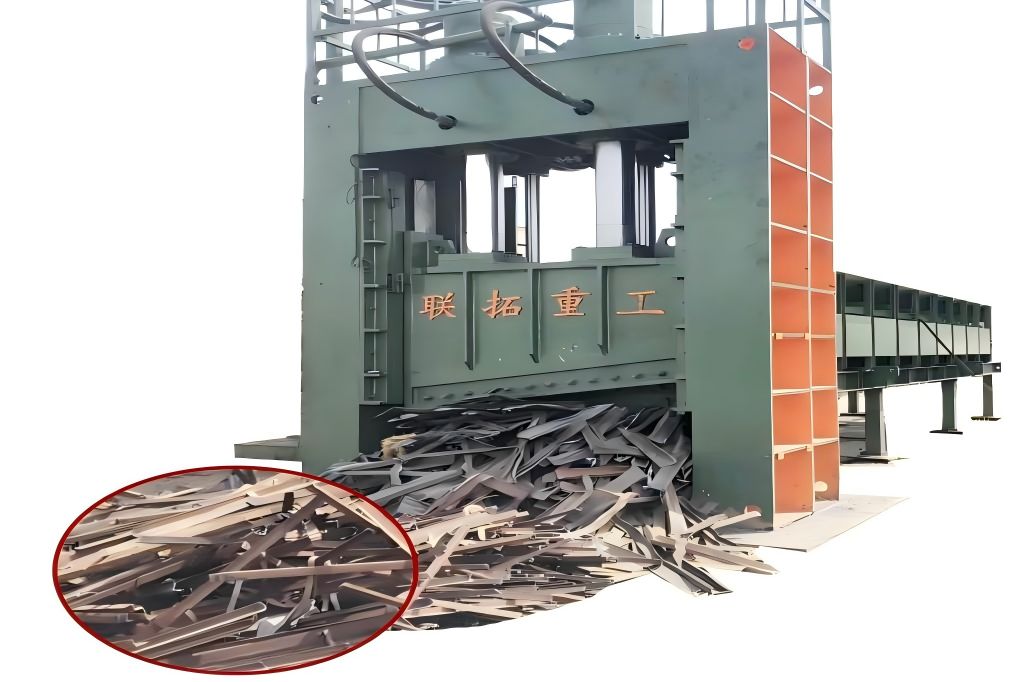
Selecting the right equipment for cutting heavy materials is a crucial decision for any facility involved in scrap metal recycling, construction, or manufacturing. Gantry shears are essential tools in these industries, offering efficiency and precision in processing metals. However, with numerous options available, choosing the correct gantry shear for your operation requires an in-depth understanding of several factors, from cutting capacity to cost considerations.
What is a Gantry Shear?
A gantry shear is a powerful tool for cutting huge metal objects into smaller, more manageable parts. It uses either a hydraulic or mechanical system to generate cutting force, with the “gantry” frame supporting the cutting mechanism. Gantry shears are crucial in industries like scrap metal recycling, automotive recycling, steel manufacturing, and demolition.
There are three main types: hydraulic, mechanical, and automated. Hydraulic shears provide higher cutting forces for tougher materials, mechanical shears are more cost-effective for lighter jobs, and automated shears improve efficiency and safety by minimizing labor.
Important Considerations for Selecting a Gantry Shear
When buying a gantry shear, there are a few important things to take into account to make sure the equipment is appropriate for the particular requirements of your facility.Below are some key aspects that will influence your decision:
Cutting Capacity
The cutting capacity of a gantry shear indicates the maximum material thickness and type it can handle. This is a crucial factor in selection, as it affects the materials you can cut. Gantry shears are rated by the force they generate, which determines their ability to cut through thicker, denser materials. For example:
- Light-Duty Shears: These shears handle thinner materials, up to around 1-2 inches (25-50mm) in thickness, ideal for smaller-scale recycling operations or lighter materials like aluminum and thin steel.
- Heavy-Duty Shears: These shears can cut through thicker metals, such as scrap cars or large steel plates, with capacities ranging from 5 to 12 inches (125-300mm). They are designed for industrial-level operations and are used in metal recycling yards or manufacturing plants.
When assessing cutting capacity, it’s important to understand your facility’s typical processing needs. Overestimating your required capacity may lead to unnecessary costs, while underestimating could result in inefficiency.
Shear Blade Design
The design and material of shear blades are vital for machine longevity and cutting precision. Most gantry shears use high-strength steel blades to withstand the pressure of cutting thick metal. Blade designs vary based on intended use, with some suited for heavy-duty cutting and others for precise cuts.
Many gantry shears feature replaceable or sharpenable blades, offering long-term cost-effectiveness. Choosing the right design depends on the materials and cutting frequency. Regular maintenance and replacement ensure optimal performance and cutting quality.
Cutting Speed and Efficiency
Cutting speed is crucial for productivity. Gantry shears are typically faster than other machines due to their powerful hydraulic or mechanical systems. However, speed depends on factors such as material thickness and cutting force.
- High-Speed Shears: Designed for high-volume operations, these shears provide faster throughput, ideal for recycling yards or large-scale industrial settings where efficiency is paramount. They can process multiple materials per minute, which helps maximize productivity.
- Slower, Precision Shears: These shears are designed for jobs that require more control and less material waste. They operate at slower speeds but offer more precise cutting, which may be required in industries such as aerospace or automotive manufacturing.
Speed and efficiency are crucial when evaluating which shear is right for your business. Consider the volume of materials you process regularly, and determine whether you need a machine that can handle rapid production or one that focuses on high precision.
Hydraulic vs. Mechanical Gantry Shears: Which is Best for Your Facility?
Choosing between hydraulic and mechanical gantry shears depends on the specific needs of your operation. Each type has advantages, and choosing the best machine will be made easier if you know how they differ from one another.
Hydraulic Gantry Shears
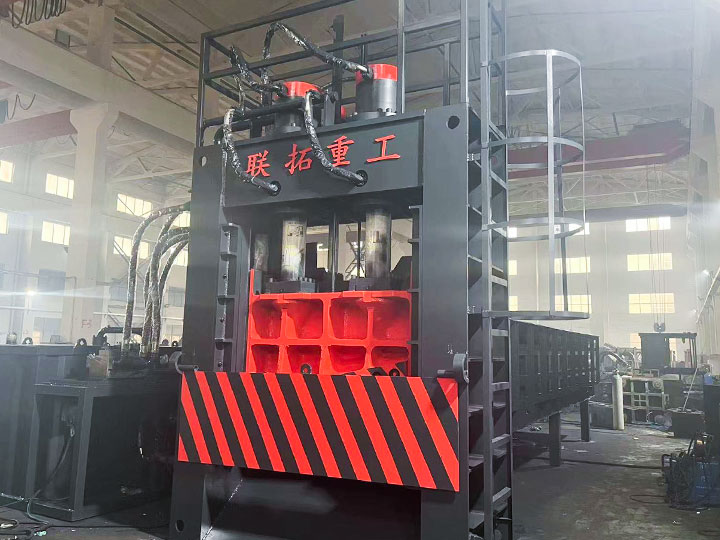
Hydraulic pressure powers the cutting mechanism in hydraulic gantry shears. These shears are known for their high cutting forces, precision, and adaptability. Hydraulic shears offer the following benefits:
- Higher Cutting Capacity: Hydraulic shears are designed to handle thick, dense materials, making them ideal for heavy-duty industrial applications.
- Adjustable Cutting Force: The cutting force on hydraulic shears can be adjusted, allowing them to handle a range of materials with varying hardness levels.
- Accuracy and Precision: Hydraulic systems give precise control over the cutting process, which improves accuracy, particularly for complex cuts.
While hydraulic shears have numerous advantages, they come with higher upfront costs and increased maintenance requirements due to the complexity of the hydraulic system. They are ideal for operations that require high-performance cutting and where material thickness and versatility are priorities.
Mechanical Gantry Shears
In contrast, mechanical gantry shears rely on mechanical parts like levers, gears, and cams to produce cutting force. These shears are typically simpler in design and have a lower initial cost. Key benefits of mechanical shears include:
- Reduced Cost: Compared to their hydraulic counterparts, mechanical shears are less expensive to buy and operate.
- Simplicity: Because mechanical shears have fewer parts to maintain, they are simpler to use and require less technical know-how.
- Reliability: When it comes to performing routine cutting duties, mechanical systems are renowned for their strength and resilience.
However, mechanical shears have limitations in terms of cutting capacity. They are typically less effective when cutting through thicker or tougher materials compared to hydraulic shears. Mechanical shears are ideal for smaller-scale operations or businesses that primarily handle thinner materials.
| Factor | Hydraulic Gantry Shears | Mechanical Gantry Shears |
| Cutting Force | Higher, adjustable | Lower, fixed |
| Cost | Higher initial cost, more maintenance | Lower cost, simpler design |
| Material Types | Best for thick, dense materials | Suitable for lighter materials |
| Speed | Faster and more efficient | Slower cutting process |
| Maintenance | Requires consistent upkeep | Low maintenance requirements |
Which is Better for Your Facility?
For large-scale recycling or manufacturing operations, hydraulic gantry shears are often the better choice due to their high cutting capacity and flexibility. If your facility primarily deals with lighter materials or has budget constraints, mechanical gantry shears may be more appropriate.
Automation and Technological Features to Look For
Automation and intelligent technology are becoming commonplace in contemporary gantry shears as a result of Industry 4.0. These technological advancements help optimize performance and reduce the need for manual intervention.
Automated Gantry Shears
Automated gantry shears are equipped with features that allow them to operate with minimal human involvement. For extensive tasks that demand continuous, unbroken cutting, these systems are perfect. Common features include:
- Programmable Controls: Automated systems allow operators to pre-set cutting parameters, ensuring consistent results and eliminating errors.
- Remote Monitoring: Many automated shears come with the ability to monitor performance in real-time, sending alerts for maintenance needs or operational issues.
- Data Integration: Some systems integrate with facility management software to optimize production schedules and monitor equipment health.
Smart Features
Many gantry shears now come with “smart” capabilities that offer predictive maintenance, real-time performance monitoring, and other features to increase efficiency and minimize downtime. Key features to look for include:
- Sensors and Monitoring: These devices monitor cutting speed, pressure, and other critical parameters to ensure the machine is running efficiently.
- Predictive Maintenance Alerts: By analyzing machine performance, these features predict when parts will wear out, preventing unexpected breakdowns and extending machine life.
Smart technology may come at a higher initial cost, but it can significantly improve long-term operational efficiency by reducing downtime and preventing costly repairs.
Durability and Maintenance Considerations
One of the most crucial considerations when selecting a gantry shear is durability. A well-built machine can operate for years with minimal issues, saving your business money in repairs and replacements.
Material Durability
Look for gantry shears made with high-quality materials such as hardened steel or reinforced alloys.These materials guarantee that the parts of the machine can endure the strains of intense cutting. Additionally, shears with corrosion-resistant coatings or protective finishes can last longer, especially in environments where moisture or chemicals are present.
Maintenance Requirements
Both hydraulic and mechanical gantry shears require regular maintenance. Hydraulic models tend to require more frequent service due to the complexity of their hydraulic systems, but they typically come with maintenance guidelines to ensure smooth operation. Mechanical models, while simpler, may still require periodic inspection to ensure the components remain in good working order.
Budget and Total Cost of Ownership
When selecting a gantry shear, it’s crucial to evaluate the Total Cost of Ownership (TCO), which includes more than just the initial investment. TCO accounts for operating costs, maintenance costs, and energy consumption, which can add up over the machine’s lifespan. Here’s a breakdown of key factors and estimated costs for different types of gantry shears.
Initial Investment
The kind, size, and characteristics of the gantry shear all affect its original cost. Hydraulic shears tend to have the highest initial cost, followed by automated models and mechanical shears.
- Hydraulic Gantry Shear: $100,000 – $500,000
- Mechanical Gantry Shear: $50,000 – $200,000
- Automated Gantry Shear: $200,000 – $600,000
Operating Costs
Operating expenses consist of labor, energy use, and consumables (such cutting blades or hydraulic fluids). Below is an estimate of annual operating costs for each type of gantry shear.
| Gantry Shear Type | Energy Consumption (kW/hr) | Annual Operating Costs ($) |
| Hydraulic Gantry Shear | 10-30 kW | $60,000 – $100,000 |
| Mechanical Gantry Shear | 5-15 kW | $30,000 – $60,000 |
| Automated Gantry Shear | 15-40 kW | $80,000 – $120,000 |
Maintenance Costs
Maintenance is essential for ensuring long-term performance. Hydraulic models typically incur higher maintenance costs due to their complex systems, while mechanical and automated shears generally have lower upkeep costs.
| Gantry Shear Type | Annual Maintenance Costs ($) |
| Hydraulic Gantry Shear | $20,000 – $50,000 |
| Mechanical Gantry Shear | $5,000 – $20,000 |
| Automated Gantry Shear | $15,000 – $40,000 |
Total Cost of Ownership (TCO)
The TCO over a 5-year period considers the initial investment plus ongoing operating and maintenance costs. Here’s an estimation based on typical usage:
| Gantry Shear Type | Initial Investment ($) | 5-Year Operating Costs ($) | 5-Year Maintenance Costs ($) | 5-Year TCO ($) |
| Hydraulic Gantry Shear | 300,000 | 400,000 | 150,000 | 850,000 |
| Mechanical Gantry Shear | 120,000 | 250,000 | 50,000 | 420,000 |
| Automated Gantry Shear | 450,000 | 500,000 | 160,000 | 1,110,000 |
- Hydraulic Gantry Shear: Best suited for high-volume, heavy-duty operations, where high cutting force is required. Despite the higher initial cost, it provides significant value for large-scale facilities with demanding tasks.
- Mechanical Gantry Shear: Ideal for smaller operations with lighter workloads. The lower upfront cost and reduced maintenance expenses make it a budget-friendly option for businesses with moderate cutting needs.
- Automated Gantry Shear: The high upfront investment is offset by labor cost savings and increased efficiency. It’s best for facilities aiming for automation and higher throughput, particularly in high-volume or 24/7 operations.


